
The Holiday Training Triage: What to Keep, What to Cut, and What to Stop Feeling Guilty About
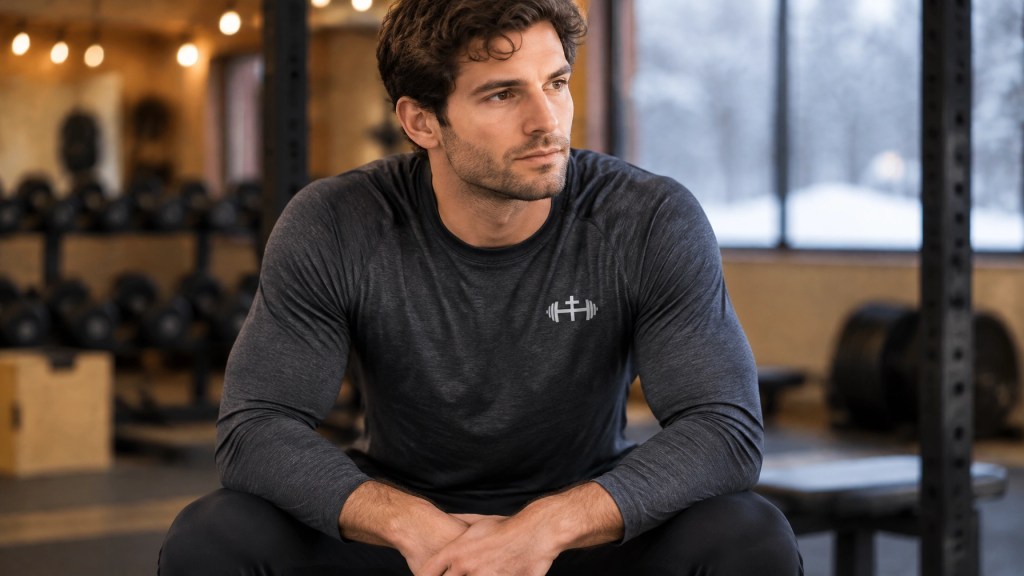
Meta Description: Holiday fitness doesn’t require an all-or-nothing plan. Learn what to keep, what to cut, and how to maintain your training through the holidays.
December is not a discipline problem. It’s a scheduling problem. Travel, family plans, dark afternoons, full calendars, and suddenly your usual training routine doesn’t fit.
Then guilt moves in. You miss a few workouts, decide you’ve fallen off completely, and wait to “restart Monday.” That all-or-nothing thinking is what can turn a busy week into a three-week gap.
Here’s a more useful goal for holiday fitness: for a few weeks each year, maintenance is the win. Not progress. Maintenance. Keep a little structure, hold on to the work you’ve done, and let the season be the season.
The Holiday Fitness Numbers That Change the Conversation
Two reviews offer a reassuring reality check.
Spiering and colleagues found that, in general populations, endurance performance can be maintained for up to 15 weeks with training reduced to as little as two sessions a week, or with exercise volume cut by 33–66%, if exercise intensity is maintained. For strength and muscle size in younger populations, the review found maintenance for up to 32 weeks with as little as one strength session per week and one set per exercise, provided relative load is maintained. Older adults may need up to two weekly sessions and two to three sets per exercise to maintain muscle size. The key idea: keep the effort meaningful while reducing frequency and volume. These findings describe maintenance in general populations, not a promise that one workout a week is enough for everyone indefinitely. (Spiering et al., 2021)
Iversen and colleagues offer a second useful distinction. Their review notes that weekly training volume matters more than frequency when the goal is building strength and muscle. They recommend about four weekly sets per muscle group in the 6–15 rep range as a minimum for that growth-focused goal. That is not a holiday maintenance requirement. When time is short, they also recommend prioritizing multi-joint movements, and note that supersets, drop sets, and rest-pause techniques can cut training time roughly in half while preserving volume, though these methods may suit hypertrophy better than maximal strength. (Iversen et al., 2021)
The takeaway isn’t “do the bare minimum forever.” It’s that a temporary reduction is not the same as quitting.

The Keep List: Three Things Worth Protecting
1. Keep one or two full-body sessions each week.
Start with compound movements: squat or hinge, push, and pull. When the week is crowded, one focused session is better than waiting for the perfect window.
2. Keep the load honest.
If you have access to your usual weights, maintain a challenging relative load and good form, then cut sets. For holding strength, a familiar load can matter more than adding extra volume. This is not an invitation to test a max or force a heavy lift when you’re tired, rushed, or without a safe setup.
3. Keep the patterns you care about most.
A squat or hinge, plus a press or pull, gives you a simple foundation. The goal is to keep showing up to the movements you value, not to deliver perfect coverage of every muscle group every week.
That’s a practical answer to how to stay consistent working out: make the target smaller before you abandon it altogether.
The Cut List: Drop These Without Guilt
When the schedule tightens, simplify. You can temporarily set aside:
- Extra isolation exercises and pump work.
- A long warm-up ritual. Keep a brief, exercise-specific warm-up, especially before heavier lifts.
- Stretching you do only from habit. Keep it if flexibility is a real goal.
- PR attempts, testing weeks, and “make up” workouts.
- The fantasy that you’ll restart Monday from zero.
Cutting sets and keeping the load beats cutting the load and keeping all the sets, as long as the weight remains safe and your form stays sound. A shorter session isn’t a failed version of your training. It’s a deliberate seasonal adjustment.
A 20-Minute Travel Session You Can Actually Do
This simple holiday workout works in a hotel room or a relative’s garage. Use bodyweight, or a single resistance band if you already have one. Set a timer and complete two controlled rounds. Aim for 6–15 reps per move, using a version that feels challenging while letting you keep good form.
- Squat pattern: bodyweight squats or band-resisted squats.
- Hinge and pull: hip hinges, then band rows if you brought a band. Without one, do a controlled hip hinge and focus on the movement pattern.
- Push: push-ups, using a wall, desk, or knees to adjust the difficulty.
- Core finisher: a side plank for 20–30 seconds per side, or 6–15 slow dead bugs per side.
Move from one exercise to the next, then repeat the round. Keep the pace purposeful, not frantic. If you have access to a safe, manageable weight, you can use it for the hinge or a short carry; otherwise, stick with the bodyweight options.
This is a way to hold on to a few useful patterns when you workout while traveling. It is not a replacement for a full strength program, and it will not build much on its own. That’s okay. This is maintenance, not a transformation challenge.

Three Weeks, Mapped
These are examples, not rules. Move the days around to fit your actual plans and energy.
Thanksgiving week: If it works, train Monday and Wednesday before travel. Make Wednesday the shorter session if the week is already filling up. The holiday itself can be a rest day, not a failure.
Travel week: Aim for two 20-minute sessions in your room, a garage, or wherever you have space. Walking counts as movement, and it can be the rest between your planned sessions.
Christmas and New Year week: Try one regular session and one short one. Protect sleep, too. If one of those sessions has to go, let it go without turning the choice into a verdict on your commitment.

A Season for Holding
Ecclesiastes 3:1–8 says, “There is a time for everything, and a season for every activity under the heavens” (NIV).
Scripture does not ask you to be the same athlete in every season. A season of holding is not a season of failure. Stewardship of your body includes knowing when to push, and when to maintain, rest, and make room for the people and commitments around you.
More Than Fabric. A Training Season With Purpose.
Honor His House sells apparel, not workout equipment or training programs. Our collection includes performance tops, tees, mesh shorts, and swimwear. The right apparel doesn’t make the schedule easier, but a performance top or tee that packs small, dries fast, and doesn’t need ironing is practical for a holiday bag, and easy to reach for when a short session fits.
50% of all proceeds directly fund wellness missions. A purchase can support your own active life while helping fund work that serves physical, mental, and spiritual wellbeing. Learn about the mission, or explore all collections.
Find men’s performance tops, women’s performance tops, faith and fitness tees, and performance mesh shorts.
Keep what matters. Cut what doesn’t. Give yourself room to be human this season.